


 English
 中文简体
中文简体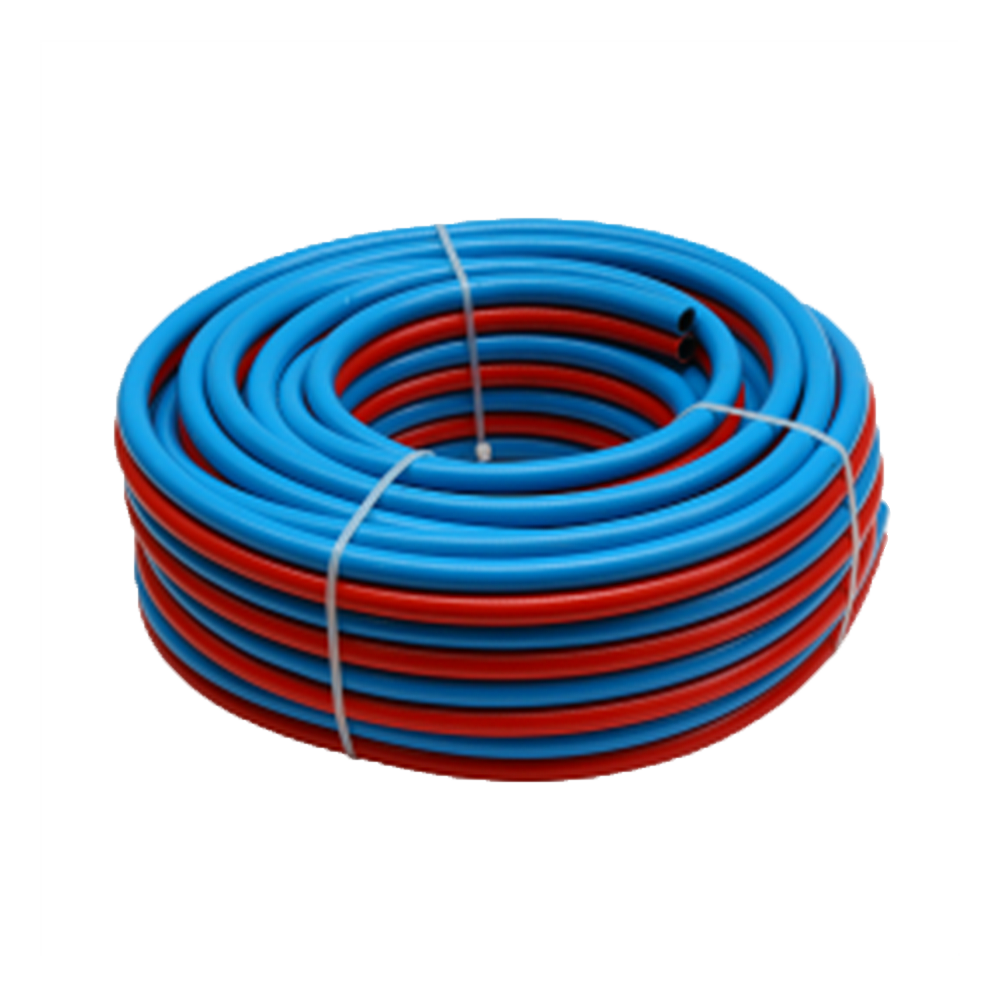
Household Low /High Pressure Gas Hose
A household low/high pressure gas hose is a type of gas hose that is designed for use in households for connecting gas appliances to the main gas supp...
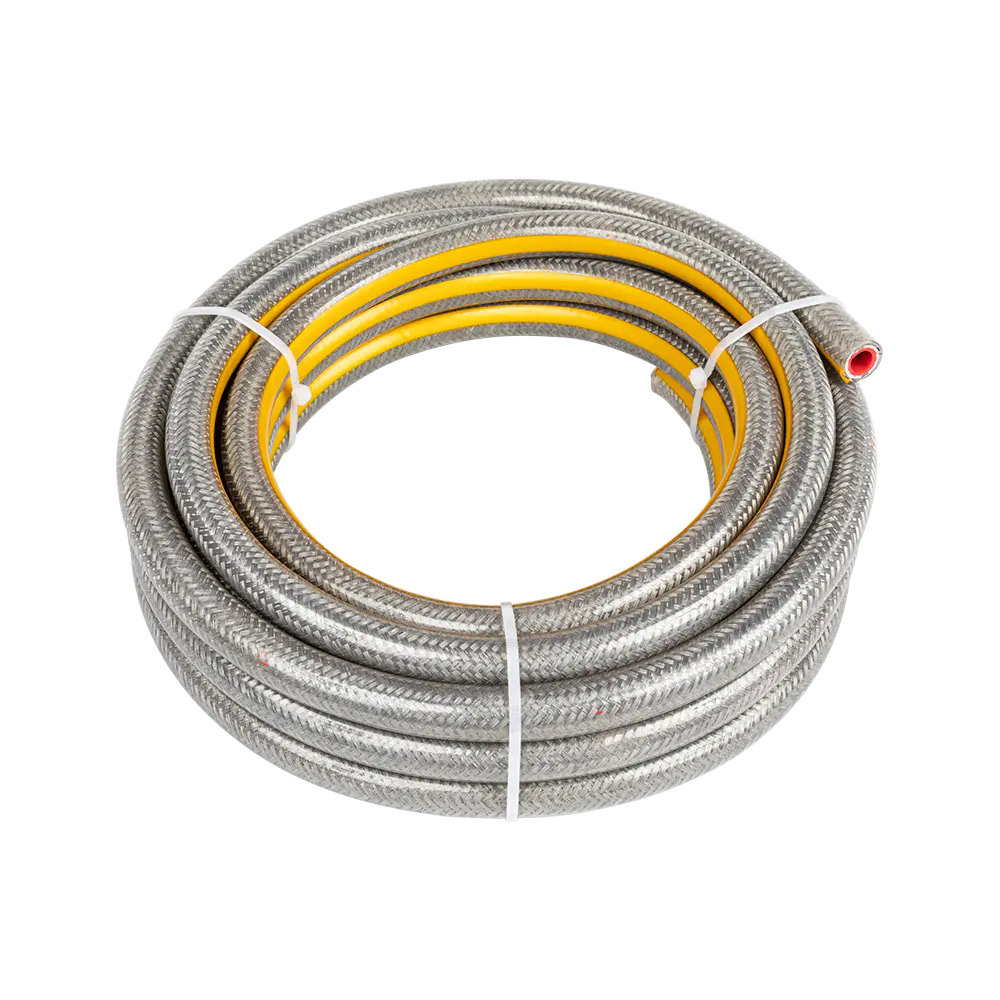
A household low/high pressure gas hose is a type of gas hose that is designed for use in households for connecting gas appliances to the main gas supp...
A kitchen low/high pressure valve connected to gas hose is a device that regulates the flow of gas from the main gas supply to a gas appliance in the ...
The working principle of low and high-pressure gas hoses is based on the flow of gas through the hose, which is driven by the pressure differential between the gas source and the gas appliance.
Low-pressure gas hoses are typically used for gas-powered appliances that require less than 0.5 psi of pressure, such as outdoor grills, camping stoves, and portable heaters. These hoses are designed to handle low-pressure gas flow and are often made of flexible materials like PVC, rubber, or polyurethane. Low-pressure gas hoses typically have a maximum working pressure of around 50 psi and may feature brass fittings that connect to the gas source and the appliance.
High-pressure gas hoses, on the other hand, are designed to handle gas flow at pressures above 0.5 psi, such as those used in industrial applications like welding or cutting. These hoses are typically made of more robust materials like stainless steel, reinforced rubber, or thermoplastic materials. High-pressure gas hoses are designed to handle pressures up to several thousand psi and may feature specialized fittings and connectors for specific applications.
In both cases, the gas flow through the hose is regulated by the gas source, which controls the pressure and flow rate of the gas. The gas appliance then uses the gas flow to operate, with the gas pressure and flow rate controlling the intensity and output of the appliance.
Overall, the working principle of low and high-pressure gas hoses is straightforward, with the hose acting as a conduit for gas flow from the source to the appliance. The selection of the appropriate hose for a given application depends on factors such as the required pressure and flow rate, the type of gas being used, and the environment in which the hose will be used.
During welding operations, in order to avoid damage to PVC welding hoses, a series of preventive measures need to be taken. The hose should be stored in a dry, cool, ventilated place, away from direct sunlight and extreme temperatures, and away from heavy objects weighing on the hose to prevent defo...
Stainless steel corrugated hose is an important pipe component widely used in many industries. Its application fields are very wide, covering various fields such as industry, construction, energy, transportation, and medical care. In industrial piping systems, stainless steel corrugated hoses are us...
PVC Single/Twin Welding hose is widely used in welding processes, and its excellent performance characteristics make it an ideal choice among many welding operations. This type of pipeline plays a crucial role in various processes such as oxygen acetylene welding, TIG welding, and MIG/MAG welding.Ox...

Copyrigt © 2023 Yuyao Safe Pipe Industry Co., Ltd. All rights reserved. Custom Low /High Pressure Gas Hose Suppliers
